

The Rise of Combat Barbie
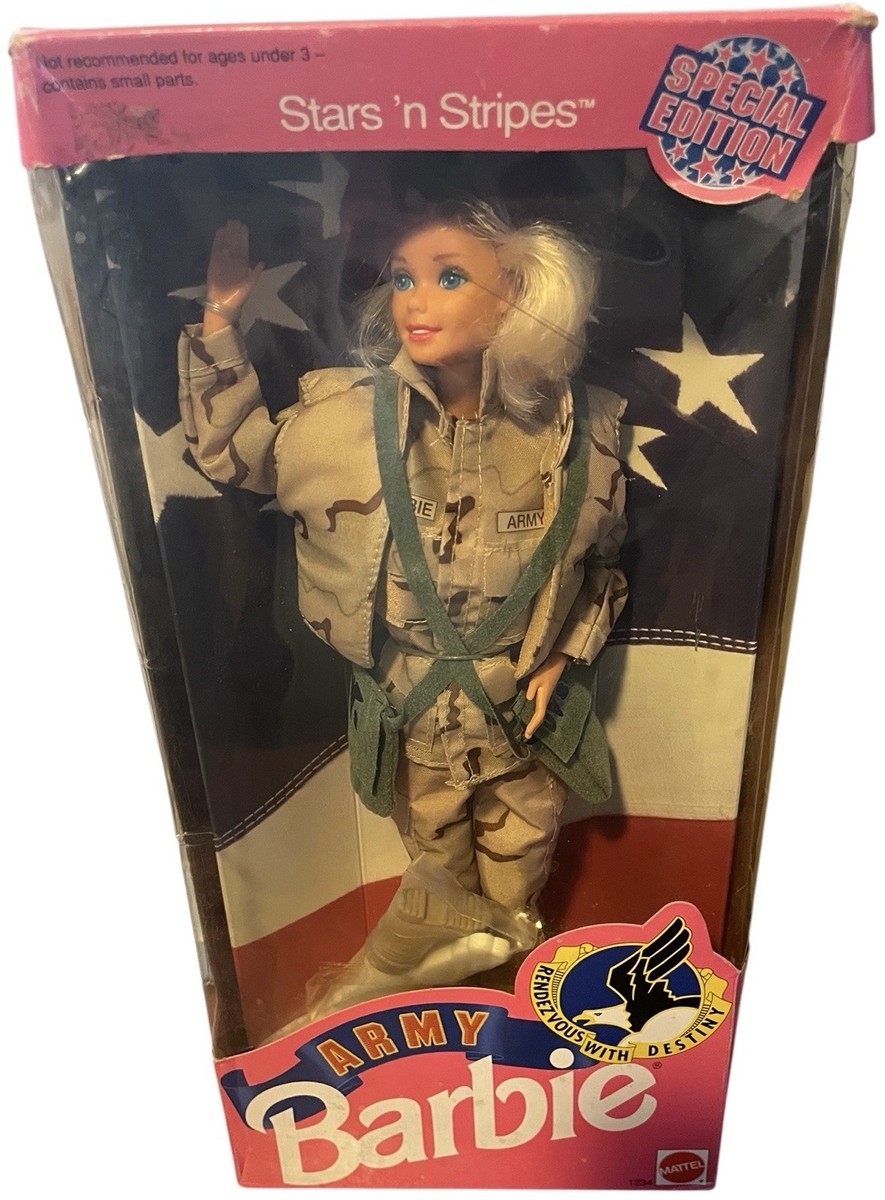
The world of Barbie is seeing an unexpected shift. Across Instagram, YouTube, and maker communities, "Combat Barbie" is gaining traction. These aren't traditional Barbies; they are highly customized dolls in tactical gear, striking powerful poses and challenging the doll’s image as a symbol of idealized femininity. This phenomenon raises questions about Barbie’s future.
The movement centers on figures like Brooke Rose (@the.combat.barbie) and @combatbarbie on Instagram. Rose, in particular, has built a following with an aesthetic blending strength, confidence, and vulnerability. While the appeal might seem ironic, a genuine empowerment message is at play. It’s about reimagining what a Barbie can be, not just putting her in army boots.
This isn't a fleeting trend; it represents a broader cultural conversation about female agency and the desire for diverse, unconventional female representation. The contrast with classic Barbie, often seen as a symbol of unrealistic beauty standards, is stark. Traditional Barbie has always been about aspiration, but Combat Barbie asserts power, embraces individuality, and challenges expectations. This deliberate subversion of the brand’s image is compelling.
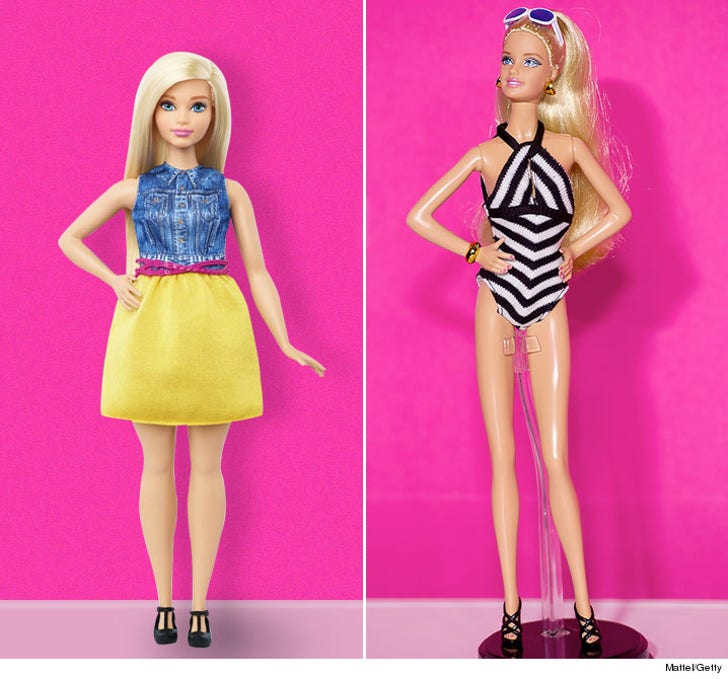
Traditional Barbie: A Legacy of Play
Launched in 1959, Barbie is arguably the most iconic fashion doll in history. Ruth Handler created Barbie to give girls a way to imagine their futures, to be anything they wanted. The original Barbie was revolutionary: not a baby doll, but a grown woman with a wardrobe and lifestyle. This offered a different play experience, focused on social roles and aspirational identities.
Barbie has evolved significantly over the decades, with countless iterations like Doctor Barbie, Astronaut Barbie, Teacher Barbie, and President Barbie. These versions weren't just about fashion; they showcased a wide range of professions and possibilities. Mattel has consistently tried to keep Barbie relevant and reflective of changing societal norms. The brand has also faced criticism for perpetuating unrealistic body standards, a conversation that continues today.
Traditional Barbie play encourages imagination, storytelling, and social interaction. It’s about creating narratives, experimenting with roles, and expressing creativity through fashion and design. Barbie has always been a blank canvas, allowing children to project their dreams and aspirations onto the doll. This enduring appeal is why Barbie remains a cultural touchstone.
Decoding the Combat Barbie Appeal
Combat Barbie strikes a chord due to themes of empowerment and reclaiming femininity. In a world bombarding women with messages about appearance and behavior, Combat Barbie offers a refreshing alternative. She is strong, capable, and unapologetically herself—a powerful image, particularly for those constrained by traditional gender roles.
There’s also irony at play. Barbie, historically associated with glamour and perfection, is being deliberately "militarized’ or ‘ruggedized". This subversion of expectations appeals to a generation skeptical of traditional institutions and values. It takes something often seen as superficial and imbues it with strength and agency. The aesthetic is deliberately jarring, which is part of the point.
Social media amplified the Combat Barbie phenomenon. Platforms like Instagram and TikTok allow creators to share custom creations globally, fostering community and inspiring participation. The desire for more complex female representations drives this trend, with Combat Barbie providing a visual outlet. Online culture can reshape and redefine established brands.
Action Figure Features: A Side-by-Side
Comparing a standard, current-model Barbie to a typical Combat Barbie figure reveals key differences. A traditional Barbie, like the current Fashionista line, generally has 22 points of articulation, allowing for a decent range of poses. She is primarily plastic, with rooted hair and painted facial features. Accessories include clothing, shoes, and themed items like a purse or sunglasses.
Combat Barbie figures are often heavily modified. While starting with a standard Barbie body is common, customization is the key distinction. This includes swapping heads for more determined expressions, adding tactical gear like vests, helmets, and holsters, and repainting faces for a rugged appearance. Articulation is frequently enhanced with aftermarket joints, increasing motion range and allowing dynamic poses. Materials can include fabric, leather, and 3D-printed components.
Build quality varies significantly. Traditional Barbies are mass-produced to a consistent standard. Combat Barbies, being custom creations, vary depending on the creator’s skill and resources. Some are detailed and durable, others are fragile and prone to damage. A current Fashionista Barbie retails for around $30. A comparable custom Combat Barbie figure can range from $80 to $200+, depending on detail and creator reputation
Combat Barbie vs. Traditional Barbie: A 2026 Comparison
| Feature | Traditional Barbie | Combat Barbie |
|---|---|---|
| Articulation | Medium | High |
| Accessories | High | Medium |
| Durability | Medium | High |
| Customization Potential | High | Medium |
| Price (Average) | Medium | Medium |
| Play Style | Imaginative | Action-Oriented |
Illustrative comparison based on the article research brief. Verify current pricing, limits, and product details in the official docs before relying on it.
The Customization Ecosystem
The heart of Combat Barbie lies in its customization. This isn't just about buying a pre-made figure; it’s about actively participating in the creation process. A thriving community of creators is dedicated to modifying traditional Barbies or building entirely new figures from scratch. This ecosystem is fueled by a shared passion for the aesthetic and a desire to push the boundaries of what a Barbie can be.
Popular accessories include tactical vests, helmets, body armor, weapons (often props, of course), and customized clothing. 3D printing has become an essential tool for creators, allowing them to design and produce unique accessories that aren't available commercially. Techniques like sculpting, painting, and sewing are also commonly used to enhance the figures. You'll see a lot of repurposed items from other action figure lines incorporated into the designs.
Resources for customization are readily available online. Etsy is a hub for finding custom Combat Barbie figures and accessories. Instagram creators often take commissions and offer tutorials. Online marketplaces like eBay and Mercari are also good sources for finding parts and materials. The ability to personalize and transform a Barbie into something entirely new is a major contributor to the overall appeal of the movement, really cementing its status as an action figure.
Collectible Value: Now and 2026
Assessing the collectible value of traditional Barbies versus Combat Barbies is a nuanced task. Traditional Barbies, particularly vintage and limited-edition models, have a well-established collector’s market. First edition Barbies, for example, can fetch thousands of dollars. Value is driven by rarity, condition, and historical significance. Mattel's official collector editions also tend to hold their value well.
Combat Barbies, being a relatively new phenomenon, have a less defined collectible market. However, certain custom creations, particularly those made by well-known artists or featuring unique designs, are already commanding significant prices. Rarity, creator reputation, and the level of detail all influence value. It’s reasonable to expect that limited-edition Combat Barbies, if Mattel were to officially embrace the aesthetic, could become highly sought-after.
Looking ahead to 2026, I predict that traditional Barbies will continue to maintain a more consistent and predictable collectible value. However, the most exceptional Combat Barbie creations – those that showcase exceptional artistry or represent a pivotal moment in the movement – could see their value appreciate significantly. The key will be identifying creators who are establishing themselves as leaders in the field.
- First Edition Barbie (1959): $5,000 - $25,000+
- Vintage Barbie (1960s-1980s): $100 - $1,000+
- Limited Edition Collector Barbies: $200 - $500+
- Custom Combat Barbie (established artist): $150 - $400+
Featured Products
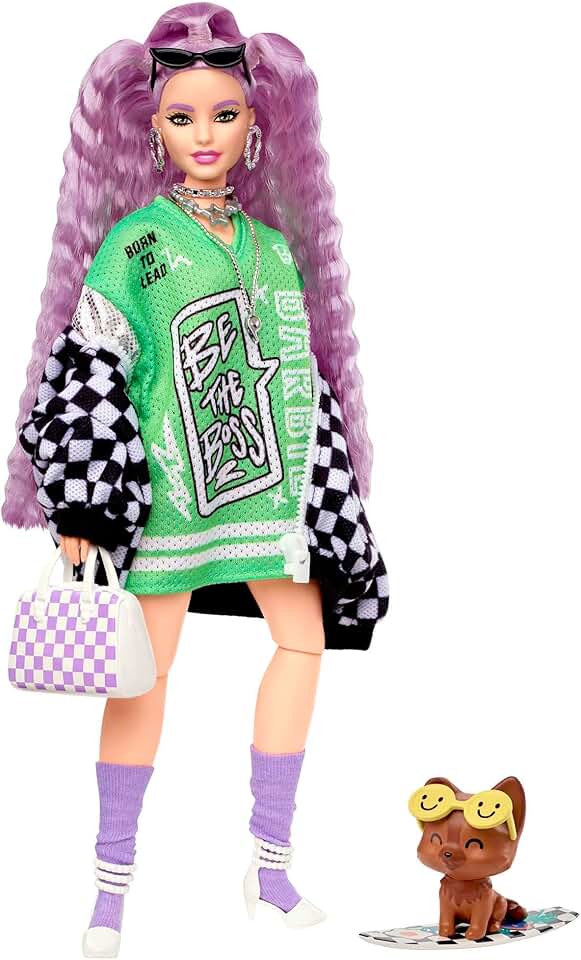
Features crimped lavender hair and brown eyes. · Includes 15 toy pieces. · Comes with a pet puppy accessory.
This doll offers a vibrant and trendy aesthetic with a fun pet accessory, appealing to those who enjoy fashion-forward play.

A 3.75-foot tall, 3-story playset. · Includes a pool, slide, party room, elevator, and puppy play area. · Features customizable lights and sounds with over 75 pieces.
The Barbie Dreamhouse is an iconic, expansive playset that provides endless opportunities for imaginative storytelling and role-playing.

Part of the Barbie Signature Inspiring Women collection. · Depicts Ellen Ochoa, the first Hispanic woman in space. · Includes an astronaut space suit and helmet accessory.
This collectible doll celebrates a real-life inspiring figure, encouraging an interest in STEM and space exploration.

Features long blonde hair. · Wears a tropical-themed outfit. · Part of the popular Barbie Fashionistas line.
A classic Barbie Fashionista doll with a summery look, representing a popular and accessible style within the Barbie brand.

A Barbie Careers doll focused on leadership. · Features dark brown hair and a professional outfit. · Includes a sticker for kids and accessories like bracelets and a pin.
This doll promotes aspirational play and encourages children to envision future careers and leadership roles.
As an Amazon Associate I earn from qualifying purchases. Prices may vary.
Where to Find Your Barbie
Finding traditional Barbies is straightforward. Major retailers like Walmart and Target carry a wide selection, as do online stores like Amazon and the official Mattel Creations website. You’ll find everything from the latest Fashionista dolls to classic reissues.
Finding Combat Barbie-inspired items requires a bit more digging. Etsy is an excellent resource for custom figures and accessories. Instagram is a great place to discover creators and commission unique pieces. Online marketplaces like eBay and Mercari can also yield results, but be prepared to sift through a lot of listings.
For those interested in customization, resources abound. 3D printing services like Shapeways can create custom accessories. Tutorials on sculpting, painting, and sewing can be found on YouTube and various crafting websites. The Combat Barbie community is generally very supportive and willing to share knowledge and resources.
No comments yet. Be the first to share your thoughts!