
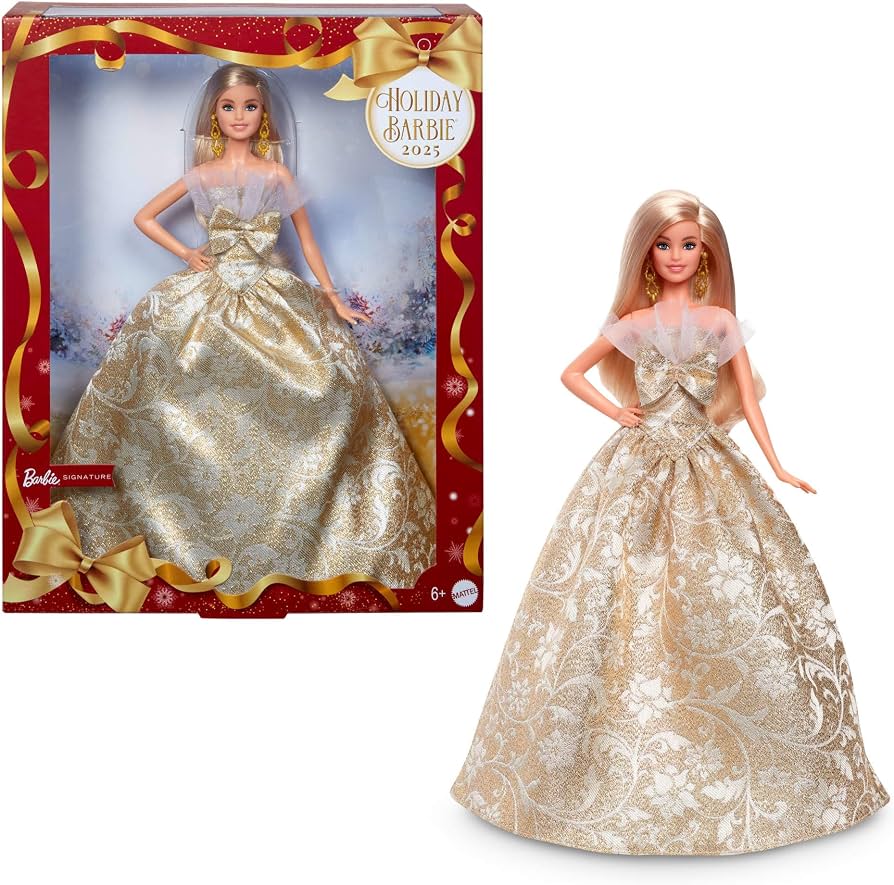

Barbie budget: picking the right edition for your wallet
Buying a Barbie is less about the sticker price and more about what you’re actually getting. A $20 fashion doll is a toy for play; a $300 collector’s edition is an asset for display. The tradeoff usually comes down to condition and packaging. In the collector’s market, a sealed box can double the value of a common doll, but it also makes the item fragile and harder to maintain.
For holiday releases like the 2026 Holiday Barbie, the premium is for the specific design and the foil-stamped box. If you want the aesthetic without the investment risk, the standard Fashionistas line offers the same articulation and style variety for a fraction of the cost. These dolls are durable, widely available, and hold their value if kept in good condition, even if they don’t appreciate like limited editions.
Where to find real deals
Mattel’s official best-sellers page is the safest bet for new releases, but secondary markets often have better prices for older or rare finds. Reddit communities like r/Barbie are excellent for spotting trends and finding sellers who are parting with duplicates. Always check the seller’s return policy and verify the doll’s condition—especially the hair and joints—before buying.
Top picks for different budgets


As an Amazon Associate, we may earn from qualifying purchases.
Common: what to check next
Shortlist real options
The Barbie Collector's works best as a clear sequence: define the constraint, compare the realistic options, test the tradeoff, and choose the path with the fewest hidden costs. That order keeps the advice usable instead of decorative. After each step, pause long enough to check whether the recommendation still fits the reader's actual situation. If it depends on perfect timing, unusual access, or a best-case budget, include a simpler fallback.
| Factor | What to check | Why it matters |
|---|---|---|
| Fit | Match the option to the primary use case. | A good deal still fails if it does not fit the job. |
| Condition | Verify age, wear, and service history. | Hidden condition issues erase upfront savings. |
| Cost | Compare purchase price with likely upkeep. | The cheapest option is not always the lowest-cost option. |
Inspect the expensive parts
Barbie dolls are robust, but certain components are fragile and expensive to replace. High-end editions like Holiday Barbie or the Signature Collection use delicate materials that can fail if not checked carefully. A small oversight during inspection can turn a pristine collectible into a repair project.
Check the hairline for stress fractures
The hairline is the most common failure point on vintage and collector-grade Barbies. Run your finger gently along the parting line and behind the ears. Look for tiny cracks or "crazing" in the vinyl where the hair is rooted. These stress fractures often start from previous styling or rough handling. If the vinyl feels brittle or looks cloudy near the roots, the hair may shed easily or break off during future combing. Do not attempt to restyle or brush a doll with a compromised hairline, as this will likely cause permanent hair loss.
Inspect the joints for looseness or swelling
Barbie’s limbs are connected via friction-fit joints that can degrade over time. Pull gently on the arms, legs, and head. They should offer slight resistance but move smoothly. If a joint is too loose, the doll may slump or fall apart when dressed. If a joint is swollen or stuck, do not force it. Swelling usually indicates vinyl degradation or heat damage. Forcing a swollen joint can crack the torso or snap the limb. Check the elbow and knee creases specifically, as these areas are prone to cracking in older models.
Examine the clothing for fabric integrity
Collector editions often feature delicate fabrics like satin, lace, or metallic threads. Inspect seams for fraying, especially around the waist, shoulders, and hemlines. Look for discoloration or "red rot" on elastic waistbands, which can disintegrate if touched. Check for rust stains on metal accessories or jewelry, as iron-based metals can stain the surrounding fabric permanently. If the clothing is attached, ensure the stitching is tight. Loose threads on expensive outfits can unravel quickly if not secured immediately.
Look for vinyl discoloration and stains
Vinyl can yellow or develop orange spots due to exposure to light, heat, or certain plastics. This is particularly common in dolls stored in dark boxes for decades. Inspect the skin tone for uneven patches or dark spots that indicate chemical reactions. Avoid using harsh cleaners or alcohol on these areas, as they can strip the finish or worsen discoloration. If you notice a sticky residue on the vinyl, it may be outgassing, a sign of advanced degradation that requires professional conservation.
Verify authenticity markers
Counterfeit Barbies often have poor craftsmanship that leads to premature failure. Check for the Mattel logo molded into the back of the neck or on the soles of the feet. Look for consistent paint application and clean molding lines. Fake dolls often have blurry facial features, uneven hair coloring, or cheap plastic that cracks easily. If a doll lacks these markers or seems off in quality, it may not be worth the investment for a serious collection.
Ownership costs and maintenance surprises
Buying a Barbie Collector doll is the easy part. Keeping it in mint condition requires a budget for proper storage, climate control, and occasional professional restoration. A doll that starts at $50 can quickly cost hundreds more if you ignore the basics of preservation.
Storage and climate control
Heat and humidity are the fastest ways to ruin a collector’s investment. Vinyl can yellow, and paper accessories can crumble. Store dolls in a cool, dry place away from direct sunlight. Clear plastic storage bins with silica gel packets are a cheap first step, but for high-value pieces, consider a dedicated display case with UV-protective glass.
Cleaning and restoration
Dust is abrasive. Wipe dolls gently with a microfiber cloth monthly. For deeper cleaning, use a mild soap solution and a soft brush, but never soak paper accessories or clothing. If a doll already shows signs of "pink rot" (vinyl degradation) or has loose joints, consult a professional restorer. DIY fixes often lower resale value.
When a cheap buy stops being cheap
A discounted doll with missing limbs, stained clothing, or box damage is rarely a bargain. Restoration costs can exceed the price of a mint-condition replacement. Always check for authenticity markers and verify the condition report before purchasing second-hand. If the repair cost is more than 20% of the doll's value, walk away.

![Dry & Dry 5 Gram [50 Packets] Silica Gel Packets Silica Gel Desiccants, Silica Gel Packs - Rechargeable Moisture Absorbers for Food Storage, Electronics, 3D Filament & Safes](https://m.media-amazon.com/images/I/71w89RwHDOL._AC_UY654_QL65_.jpg)

As an Amazon Associate, we may earn from qualifying purchases.
No comments yet. Be the first to share your thoughts!