

Holiday barbie budget
Holiday Barbie Collector’s works best when the purchase path is explicit. Verify the source, compare the offer against real alternatives, check the total cost, and confirm what happens after payment before you decide. After each comparison, write down the one risk that would change your mind. If the seller, condition, support, warranty, shipping, or upkeep still feels uncertain, resolve that question before moving to checkout.
The simplest way to use this section is to verify the seller, compare the total cost, and resolve the biggest risk before you commit.
Shortlist real options
When hunting for a Holiday Barbie collector’s guide entry, you are weighing three distinct paths: the current year’s release, a recent vintage hit, or a rare vintage gem. Each offers a different balance of immediate availability, historical significance, and potential resale value.
The 2026 release is the safest bet for a pristine, unopened piece straight from the source. Mattel Creations releases these annually, and they are the standard for modern collectors who want the latest design. However, these dolls depreciate quickly once out of the box, making them better for display than investment.
For collectors seeking value, the early 2000s and late 1990s offer the sweet spot. These dolls are old enough to have developed a secondary market but common enough to find in good condition without paying luxury premiums. The 1997 "Silver" edition is particularly notable for its rarity, while the 2000 "Golden" edition has seen steady appreciation.
Older dolls like the 1988 release are true rarities. Finding one in mint condition is difficult, and prices reflect that scarcity. These pieces are for serious investors or those chasing specific historical milestones in the Barbie timeline.
| Era | Example | Typical Condition | Value Potential |
|---|---|---|---|
| 2026 | Current Year Release | Mint/NIB | Low (Depreciates) |
| 2000s | 2000 Golden Holiday | Good to Mint | Moderate |
| 1990s | 1997 Silver Holiday | Good to Mint | High |
| 1980s | 1988 Holiday | Mint Only | Very High |
The table above summarizes the trade-offs. If you want a gift or a new addition to a shelf, the 2026 doll is the logical choice. If you are building a portfolio of vintage pieces, focus on the 1990s and early 2000s.


As an Amazon Associate, we may earn from qualifying purchases.
Inspect the expensive parts
High-value Holiday Barbies hide costly damage in places that aren't immediately obvious. A hairline crack in the vinyl or a tiny tear in the gown can drop a doll's value by half. Before you buy or list one, run through this inspection checklist to catch the expensive failure points.
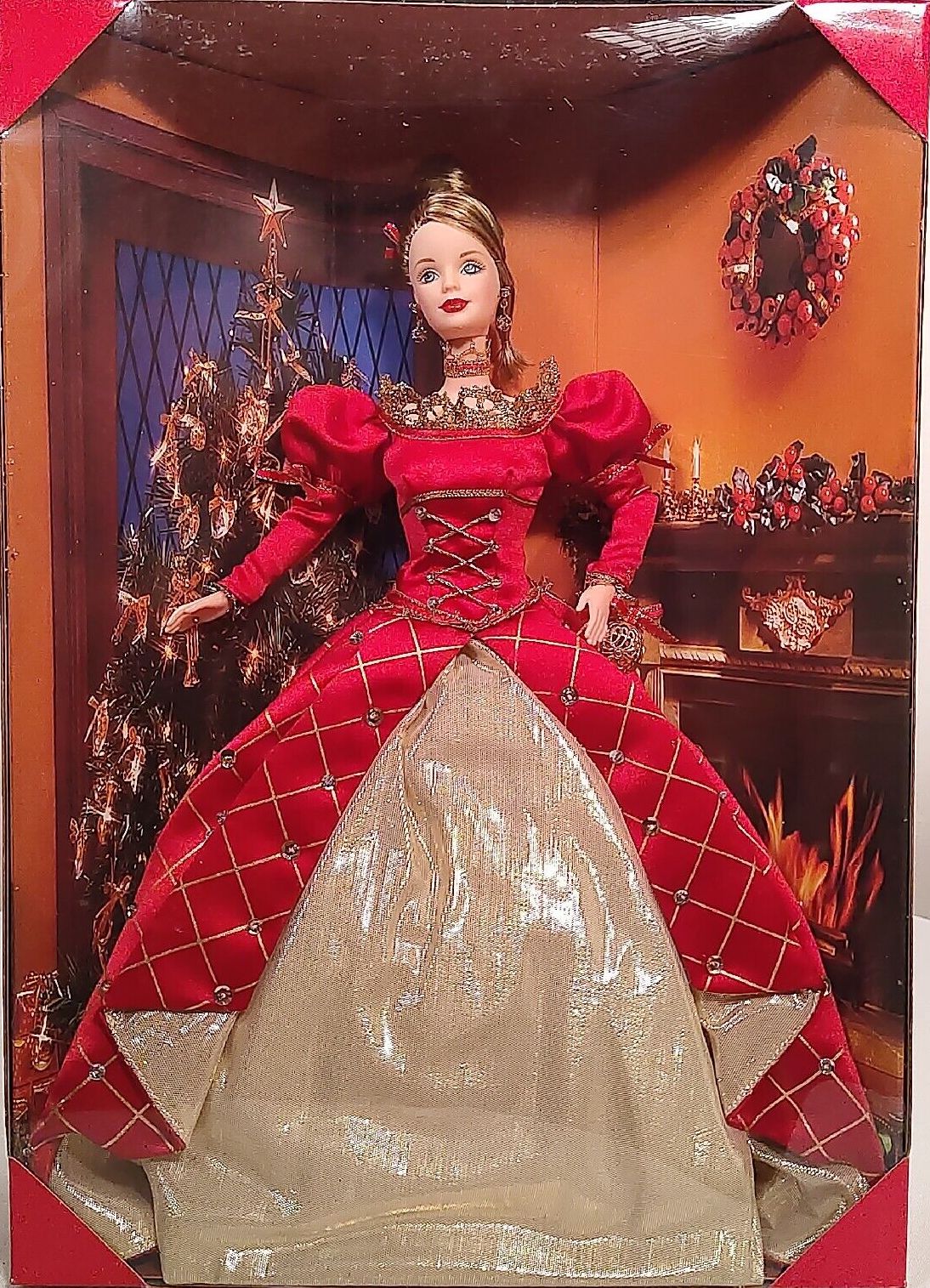
Wiggle the head, arms, and legs. Vintage Barbies (pre-2000) often have worn socket threads. If the head spins freely or the arms droop under their own weight, the vinyl has stretched. Tightening these joints is difficult and rarely looks perfect, so treat loose limbs as a significant discount factor.
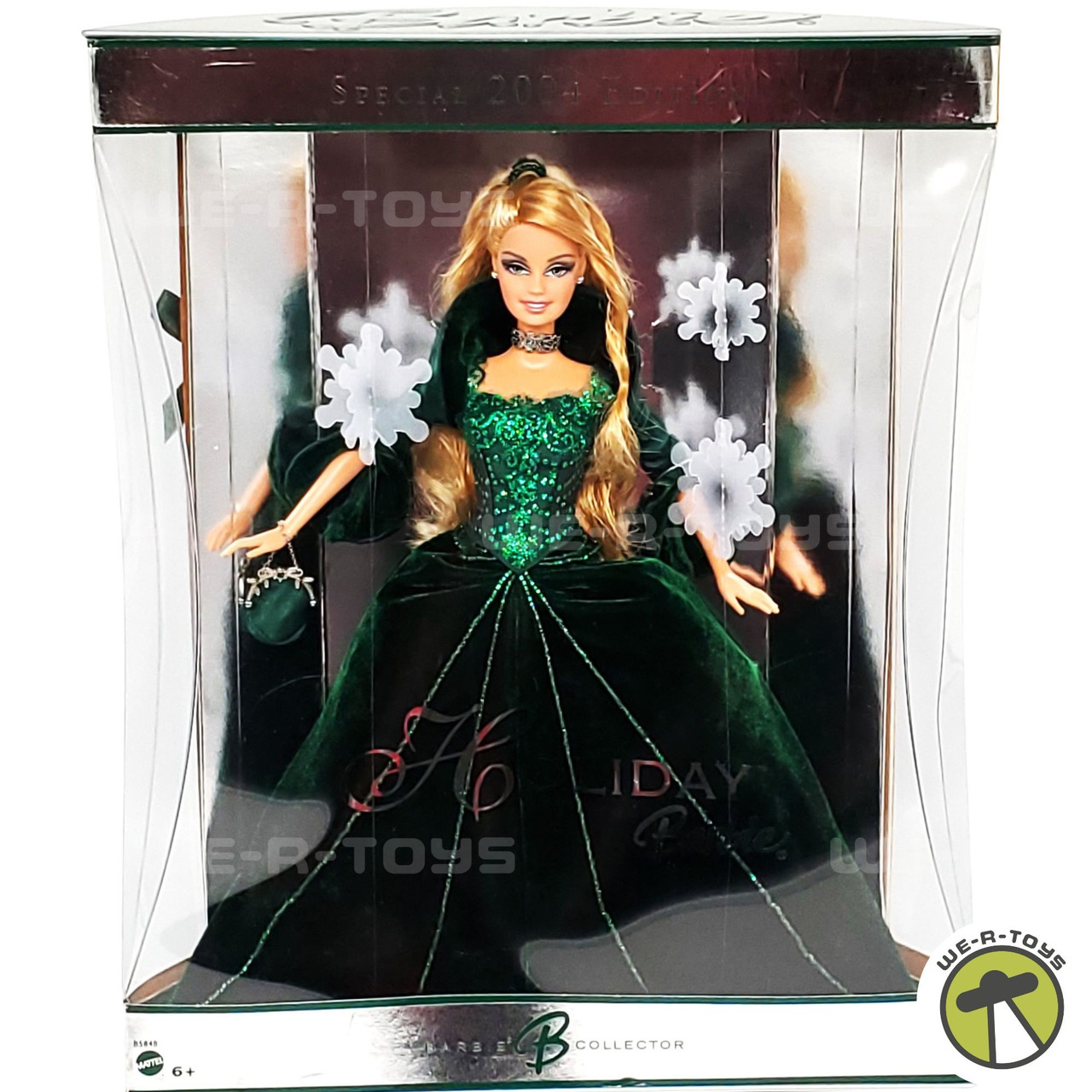
Look for "gown rot," where synthetic fabrics degrade into sticky residue or disintegrate. Check the inside seams for moth holes or fraying thread. A torn lining is often invisible from the outside but indicates poor storage. For rare editions, original linings are a major value driver.
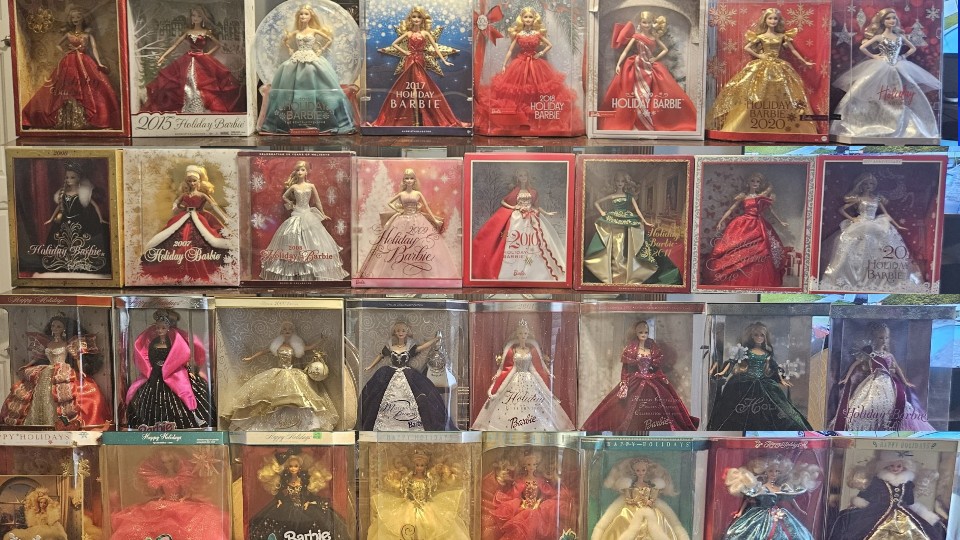
Run your fingers through the hair to feel for "root burn," where the fiber is brittle and snaps at the scalp. Check the part line for thinning or bald spots. Heat styling or improper brushing can cause irreversible damage. Frizzy, matted hair is hard to fix and lowers resale value.
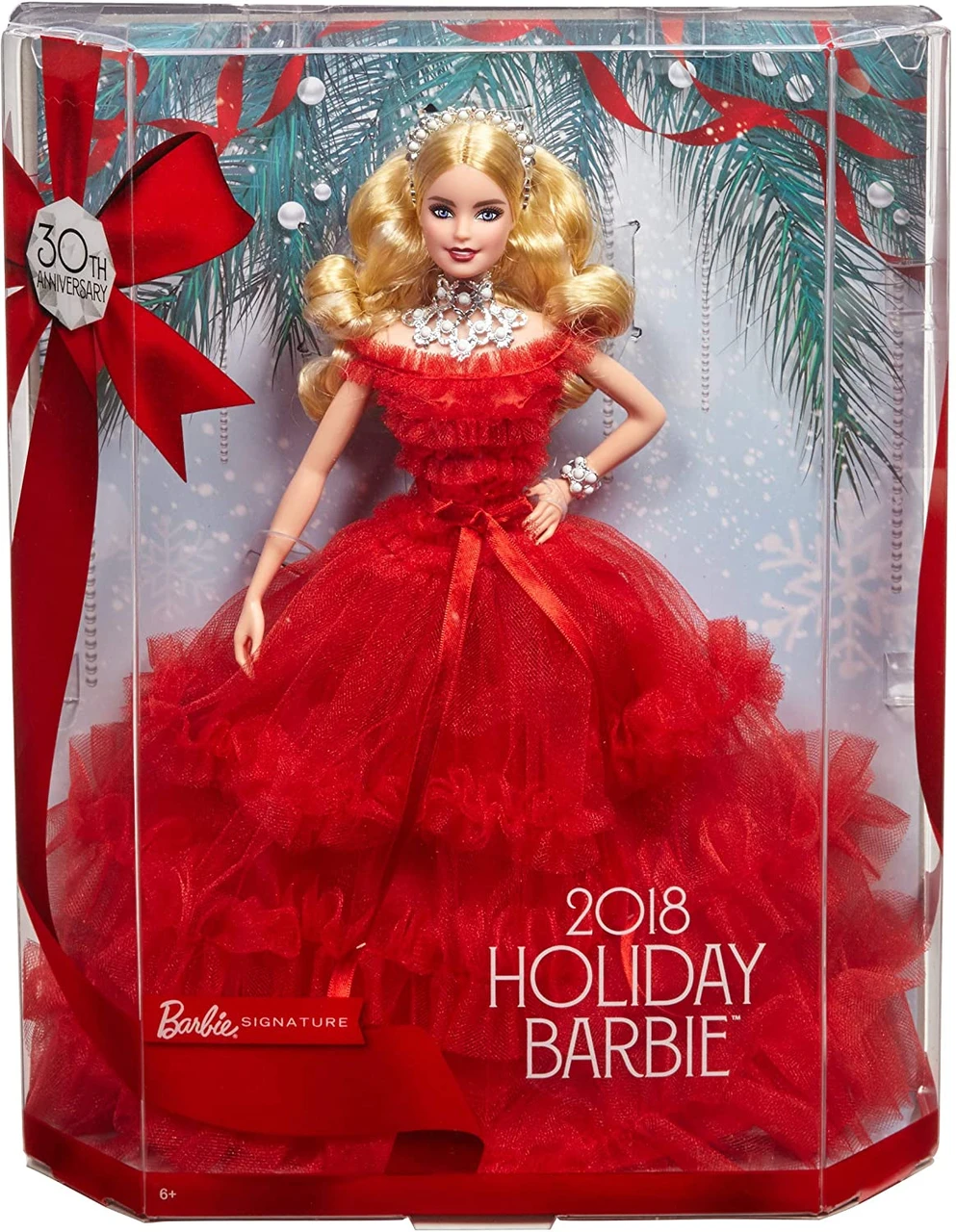
Collectors pay a premium for complete sets. Ensure the Certificate of Authenticity is present and not dog-eared. For boxed dolls, check the corners for crushing and the plastic window for yellowing. A damaged box significantly reduces the value of sealed or mint-condition dolls.
Ownership costs and maintenance surprises
Buying the doll is just the entry fee. Long-term ownership involves protecting the investment against environmental damage and preserving the condition that drives resale value. A $50 doll can become worthless if the packaging cracks or the hair mats, while a $500 vintage piece can appreciate if stored correctly.
Climate and storage
Heat and humidity are the enemies of vintage plastic and cardboard. Store dolls in a cool, dry place away from direct sunlight. UV rays fade the intricate holiday prints and yellow the plastic base. Avoid attics and garages where temperature swings warp the boxes and make the glue in the hinges brittle.
Cleaning and handling
Handle the doll with clean hands or cotton gloves. Oils from skin transfer to the face paint and hair, causing discoloration over time. Use a soft, dry brush to remove dust from the gown and hair. Never use water or chemical cleaners on the vintage finishes, as they can strip the paint or damage the delicate fabric.
When a cheap buy stops being cheap
Condition is everything. A doll with a cracked box or missing accessories sells for a fraction of the mint-in-box price. If you are buying to resell, factor in the cost of professional cleaning, archival storage boxes, and insurance. A heavily used doll is a toy; a pristine one is an asset. Always verify the condition report before committing to a purchase, especially for vintage pieces from the 1980s and 1990s.
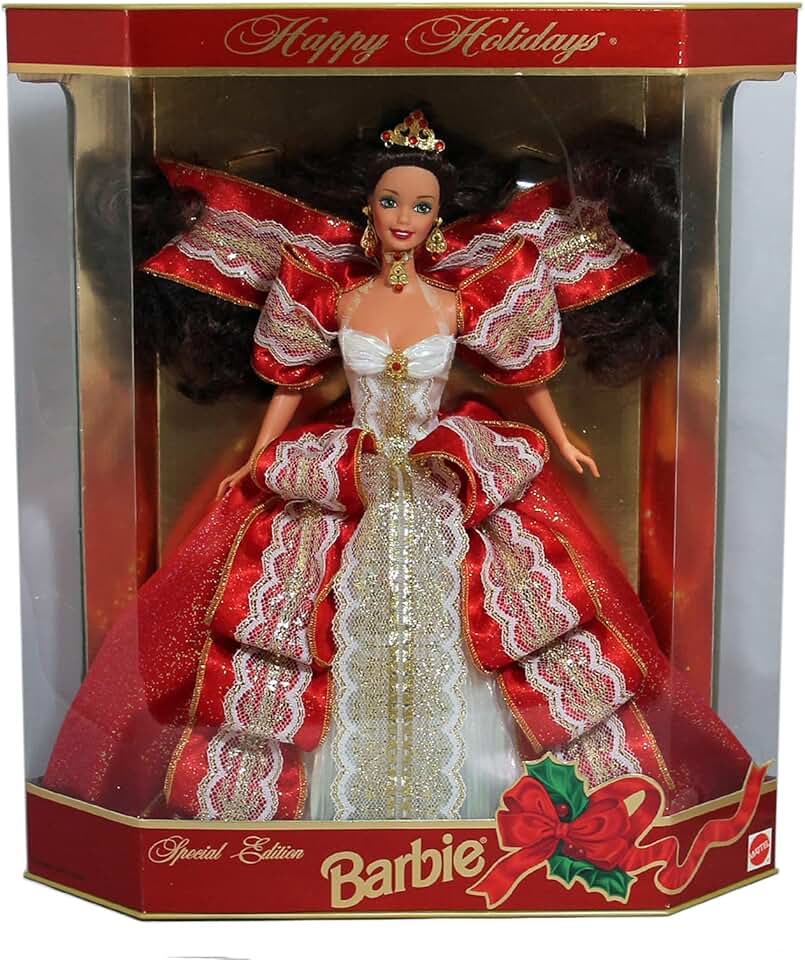

As an Amazon Associate, we may earn from qualifying purchases.
Holiday barbie: what to check next
Collectors often ask if the annual releases hold financial value or if they are merely decorative gifts. The answer depends entirely on the year, condition, and whether the doll remains in its original packaging. While most recent releases are affordable collectibles, specific vintage years have become significant assets in the secondary market.
Are any of the holiday Barbies worth money?
Yes, certain vintage Holiday Barbies have appreciated significantly. The 1988 original, designed by Carol Spencer, is the most valuable, often selling for thousands of dollars in mint condition. Other high-value years include 1997, 2000, and 2001. However, dolls released after 2010 generally retain their retail value or appreciate only slightly, making them better suited for display than investment.
What makes the 1997 holiday Barbie rare?
The 1997 Holiday Barbie, known as "Festive Fashions," is rare due to a production error. Mattel accidentally included a doll with a mismatched shoe in the box. While most were corrected, the uncorrected versions with the mismatched left and right shoes are highly sought after by serious collectors. Even standard 1997 dolls in sealed boxes command high prices due to their iconic gown design and low initial production numbers.
How much is a 2000 holiday Barbie worth today?
The 2000 Holiday Barbie, featuring a white gown with silver sequins, is a staple in many collections. In new, sealed condition, it typically sells between $150 and $250. Loose dolls in excellent condition are worth considerably less, often under $50. Its value is stable but rarely spikes dramatically unless paired with rare accessories or original certificates of authenticity.
How much is a 1988 holiday Barbie worth today?
The 1988 Holiday Barbie is the first in the series and is the most valuable. In mint, sealed condition, prices range from $2,000 to over $4,000 depending on the specific variant and market demand. Even dolls with minor box damage or those that have been removed from the box can sell for hundreds of dollars, reflecting their status as the genesis of the collecting tradition.
No comments yet. Be the first to share your thoughts!