
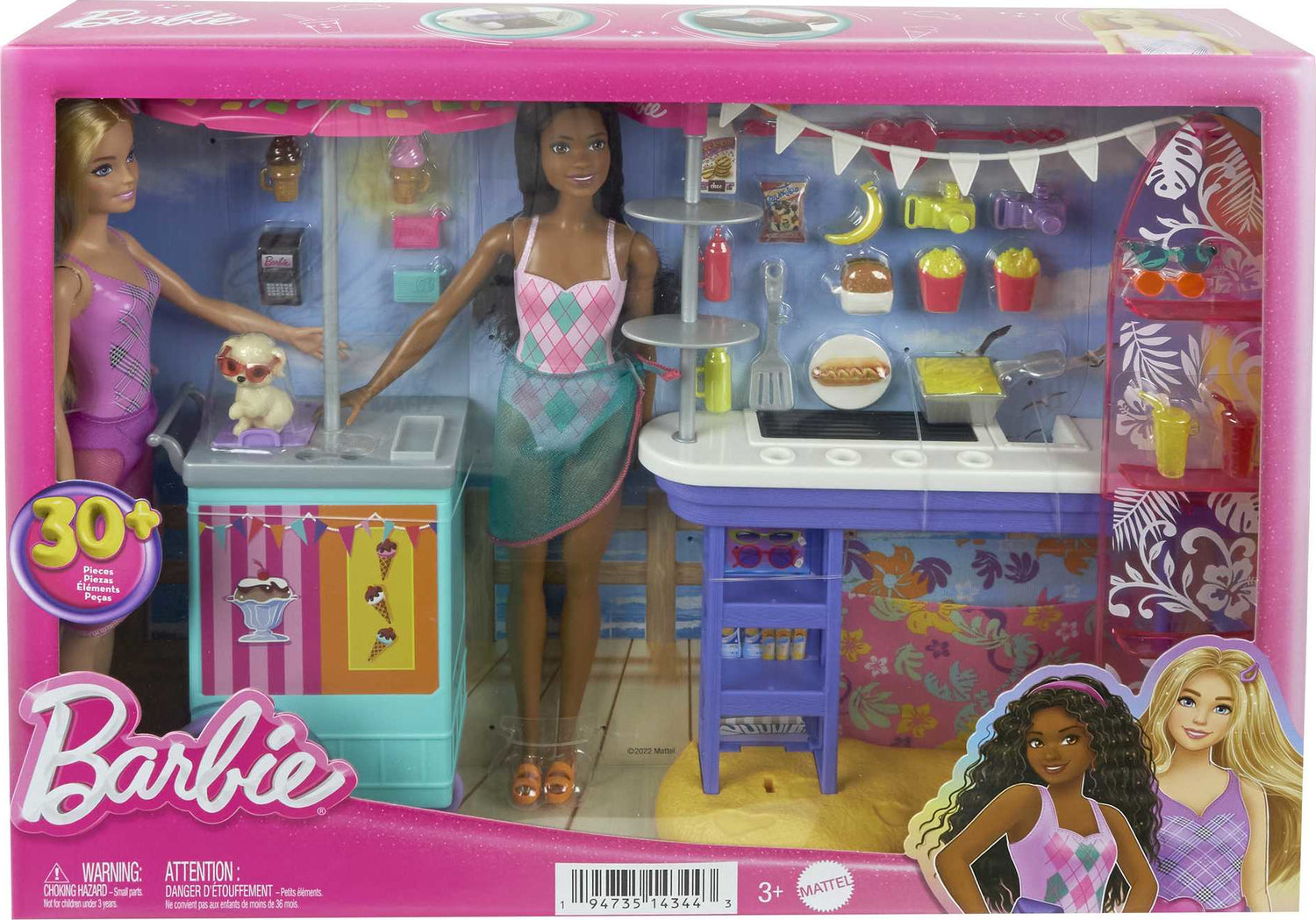

How to choose the right Barbie doll house
Finding the perfect Barbie doll house comes down to three practical factors: how much floor space you have, your child’s age, and whether they prefer building worlds or pressing buttons. The market ranges from compact car-based playsets to massive three-story mansions, so matching the toy to your home’s layout and your child’s play style will save you from assembly headaches and clutter.
Space and Scale
A three-story Dreamhouse is a statement piece, but it requires serious real estate. The largest models stand over three feet tall and are significantly wider than a standard coffee table. Before purchasing, measure your child’s designated play area and, crucially, check the width of doorways and hallways to ensure the box—and the assembled house—can actually reach the room. If space is tight, consider a Jeep or a compact condo model that offers vertical play without dominating the living room.
Age Appropriateness
Most Barbie doll houses are rated for ages 3 and up, but the complexity varies. For toddlers, look for sets with large, easy-to-grip accessories and simple room layouts that encourage basic role-play. As children grow into the 5-8 range, they often appreciate the narrative depth of multi-story homes with elevators, working lights, and sound effects. These features allow for more elaborate storytelling, turning a simple dollhouse into a dynamic stage for their imagination.
Play Style: Static vs. Interactive
Decide if your child prefers tactile, open-ended play or tech-driven interaction. Static houses, like the classic Jeep or smaller villas, rely entirely on the child to create the action, fostering creativity and fine motor skills as they move furniture and dolls. Interactive houses, such as the Dreamhouse with its electronic features, provide built-in entertainment through lights and sounds. These are excellent for engaging younger attention spans but may limit the scope of imaginative scenarios over time.
-
Measure floor space and doorways
-
Check age recommendations on the box
-
Decide between electronic or manual play
-
Consider storage space for accessories
The iconic Barbie Dreamhouse models
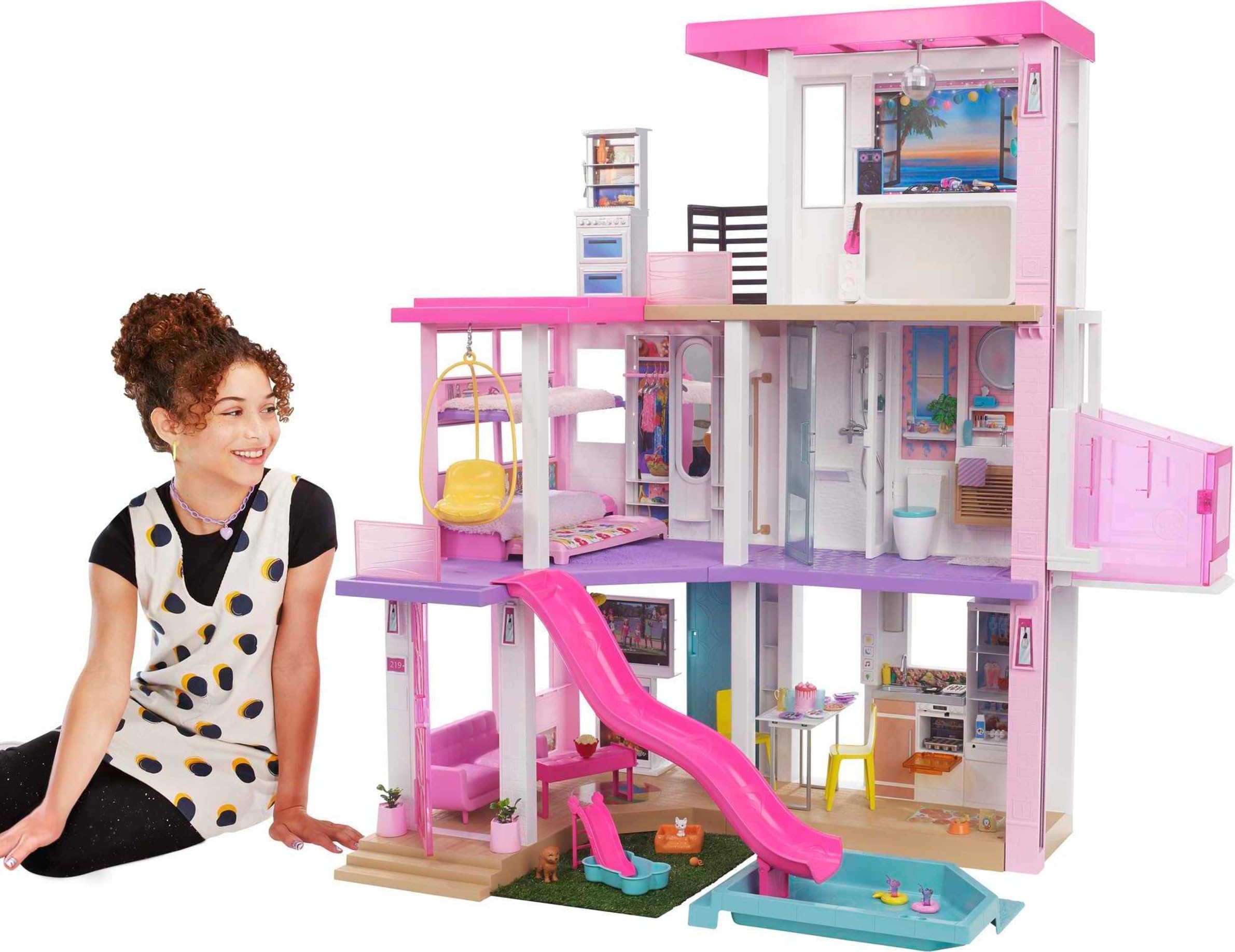
The Barbie Dreamhouse is more than just a toy; it is a cultural touchstone that has evolved from a simple plastic structure into a complex, multi-story play environment. The flagship models define the brand's identity, offering kids a canvas for storytelling that combines architecture with interactive technology. Whether it is the classic three-story design or newer iterations inspired by the Netflix series, these houses are built to spark imagination.
The 3-Story Dreamhouse with Slide and Elevator
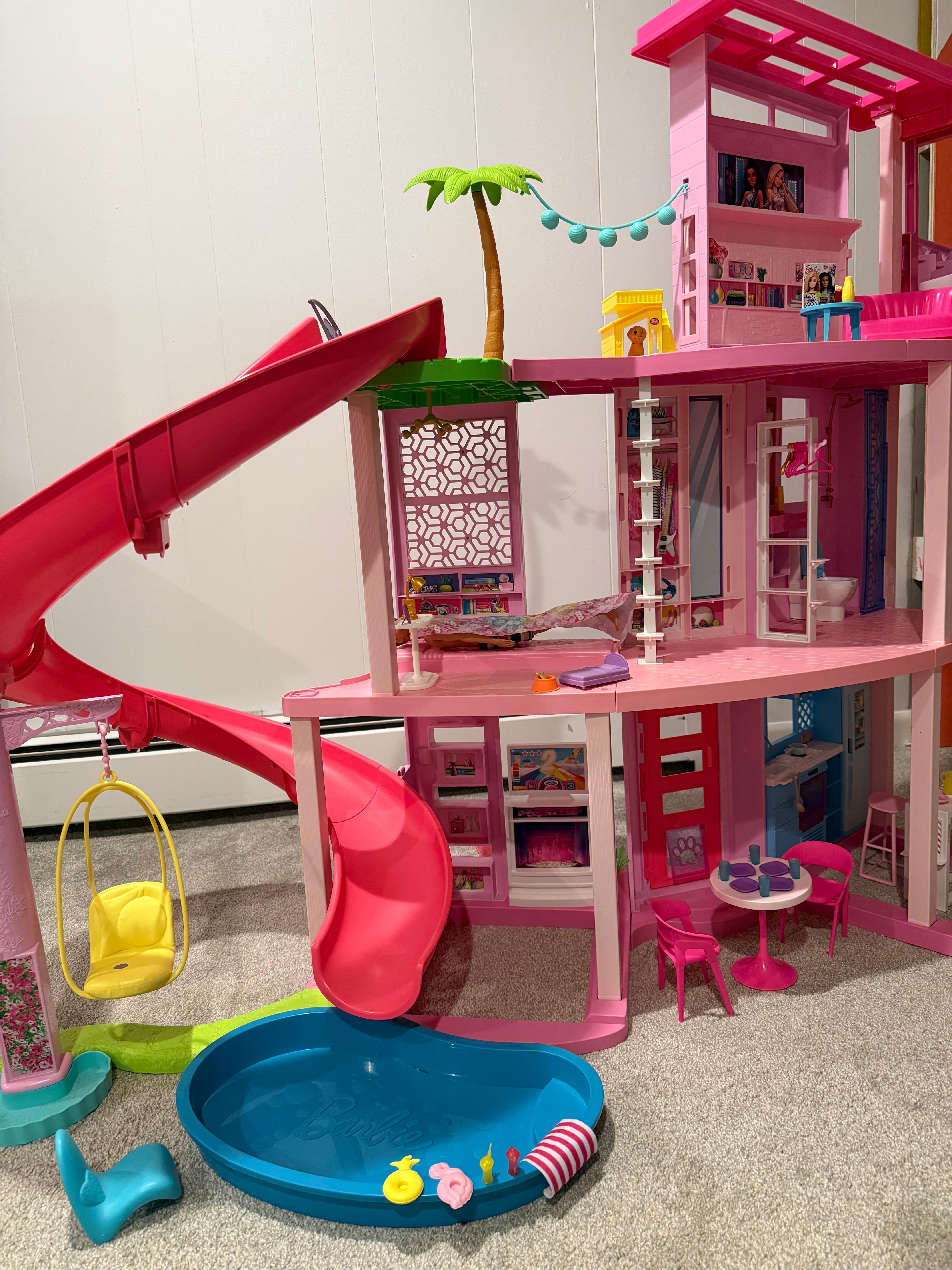
The standard 3.75-foot Dreamhouse remains the most recognizable version, featuring three distinct floors designed for different types of play. It includes a pool and slide on the lower level, a party room on the second floor, and a customizable light and sound system that responds to movement. An elevator connects the levels, allowing dolls to move between stories effortlessly, while a dedicated puppy play area adds a layer of pet care roleplay. The set comes with over 75 pieces, including furniture and accessories that fill every room.
The Pool Party Dreamhouse
For those who prioritize outdoor fun, the Pool Party Dreamhouse offers the tallest slide in the series' history. This three-story spiral design emphasizes sun and water play, with a large pool area that serves as the centerpiece of the backyard. The interior features a party room equipped with a DJ booth and dance floor, encouraging social play scenarios. With 75+ pieces included, this model focuses on creating a vibrant, energetic environment that mimics a summer vacation home.
Dreamhouse Adventures Edition
Inspired by the animated series, the Dreamhouse Adventures edition brings a modern, colorful aesthetic to the playset. This version features bunk beds in the kids' room, a home gym, and a rooftop deck, reflecting the show's contemporary lifestyle themes. The design is slightly more compact but retains the interactive elements like lights and sounds, making it a great option for families with limited space who still want the full Dreamhouse experience.
As an Amazon Associate, we may earn from qualifying purchases.
Barbie Jeep and outdoor adventure sets
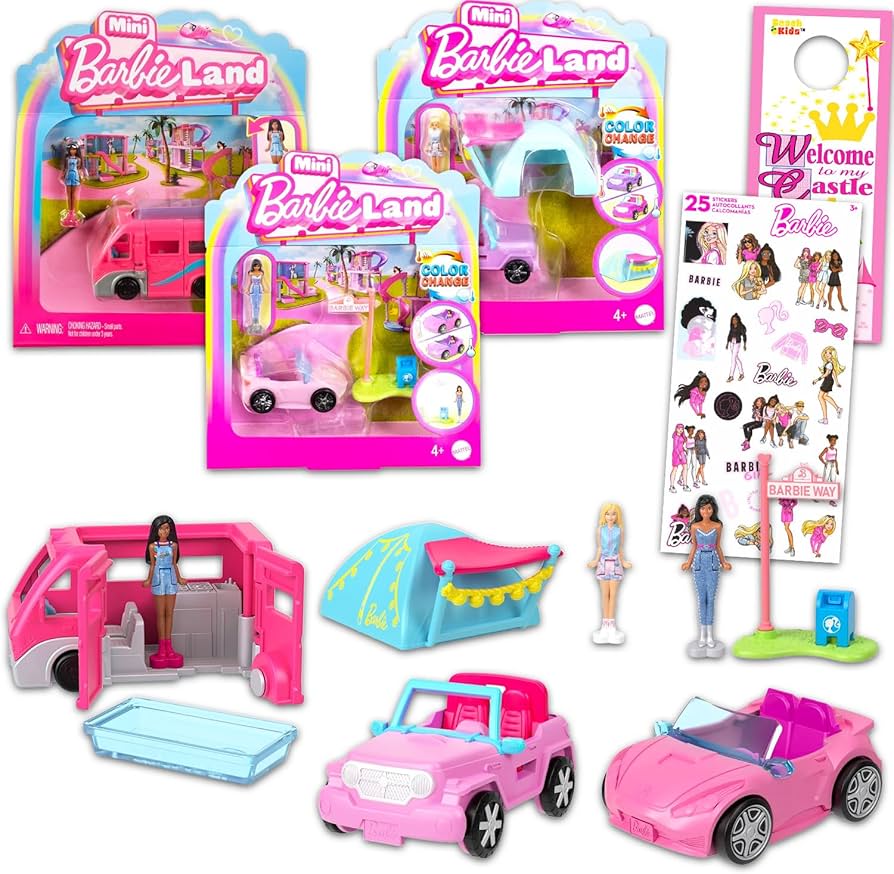
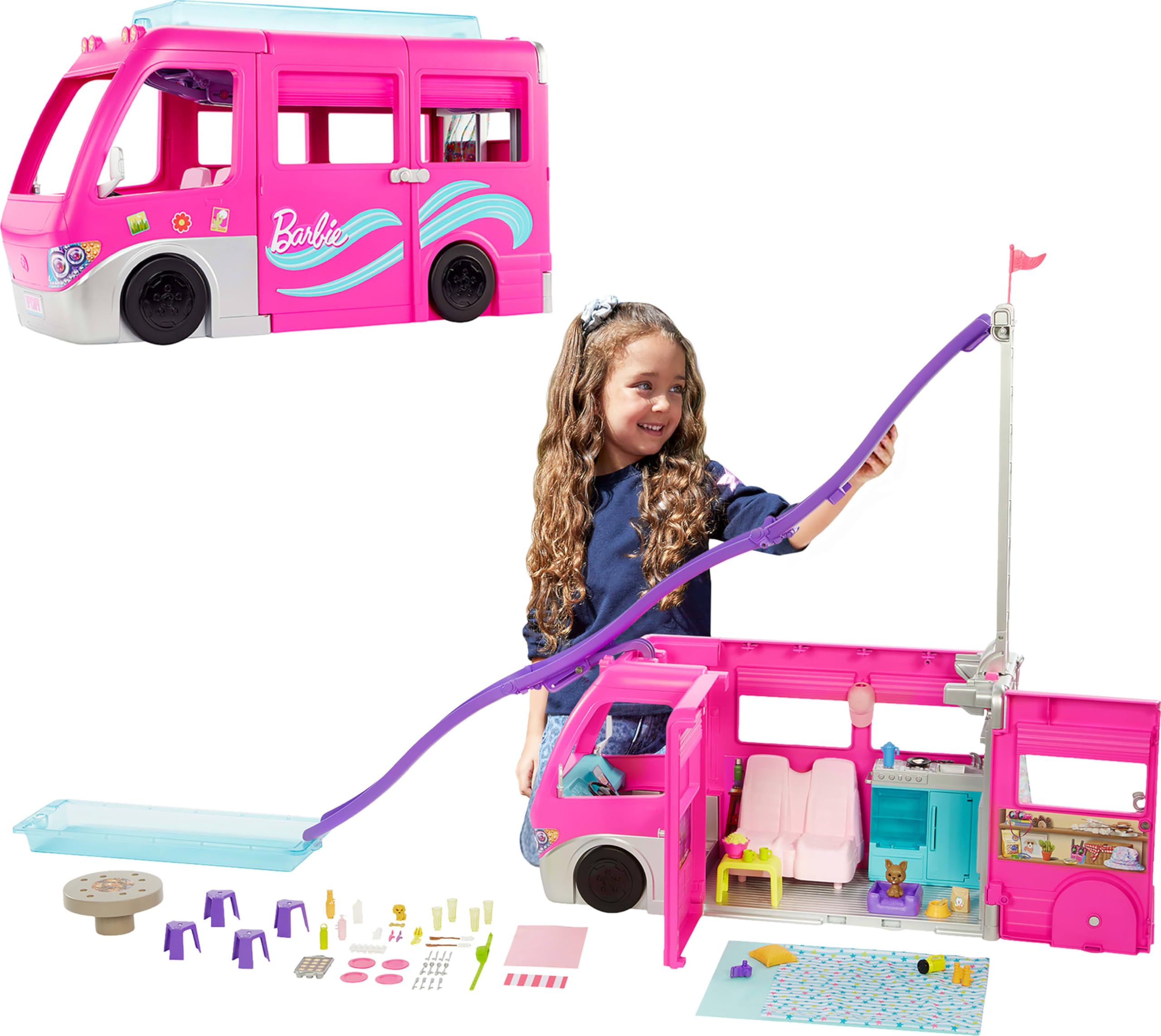
For kids who prefer active play over stationary storytelling, Barbie’s vehicle-based playsets offer a dynamic alternative to traditional dollhouses. These sets transform the living room into a mobile campsite or a rugged trail, encouraging imaginative scenarios that involve driving, camping, and exploring rather than just arranging furniture.
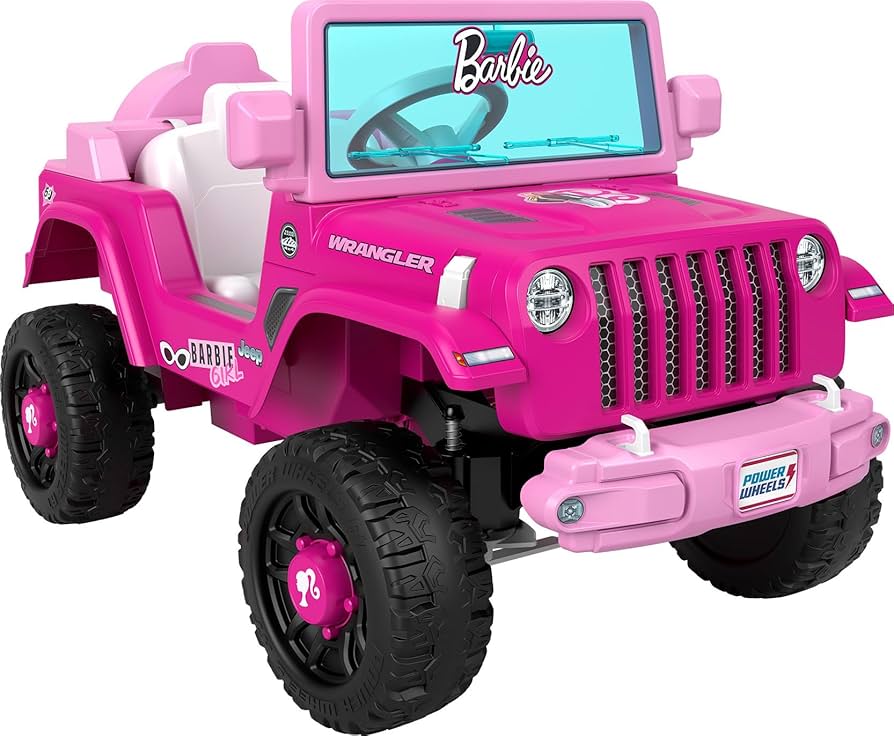
The Barbie Jeep playsets are designed to be sturdy and detailed, featuring working doors, hinged hoods, and often including rooftop tents or storage compartments. They allow children to create their own outdoor narratives, whether that means a weekend getaway or a rescue mission. The inclusion of accessories like camping gear, picnic baskets, and pet figures adds layers of realism to the adventure theme.
Other outdoor adventure options include camper vans and off-road trucks that expand the play area beyond the house. These sets often come with foldable features for easy storage and transport, making them ideal for travel or for kids who like to set up their play zones in different parts of the home. They provide a refreshing change of pace for playtime, focusing on movement and discovery.
As an Amazon Associate, we may earn from qualifying purchases.
Compact houses and dress-up playsets
When floor space is limited or you need a toy that travels well, compact Barbie doll houses and themed playsets offer the perfect alternative to sprawling mansions. These smaller-scale options are designed for portability and focused storytelling, making them ideal for apartments, small bedrooms, or on-the-go entertainment.
The Barbie Baking Kitchen Dolls and Accessories Playset captures a specific slice of Barbie’s life without requiring a whole house. It includes miniature appliances, food items, and doll figures, allowing kids to engage in role-play scenarios like cooking dinner or hosting a party. This type of focused playset encourages creativity within a confined, manageable area.
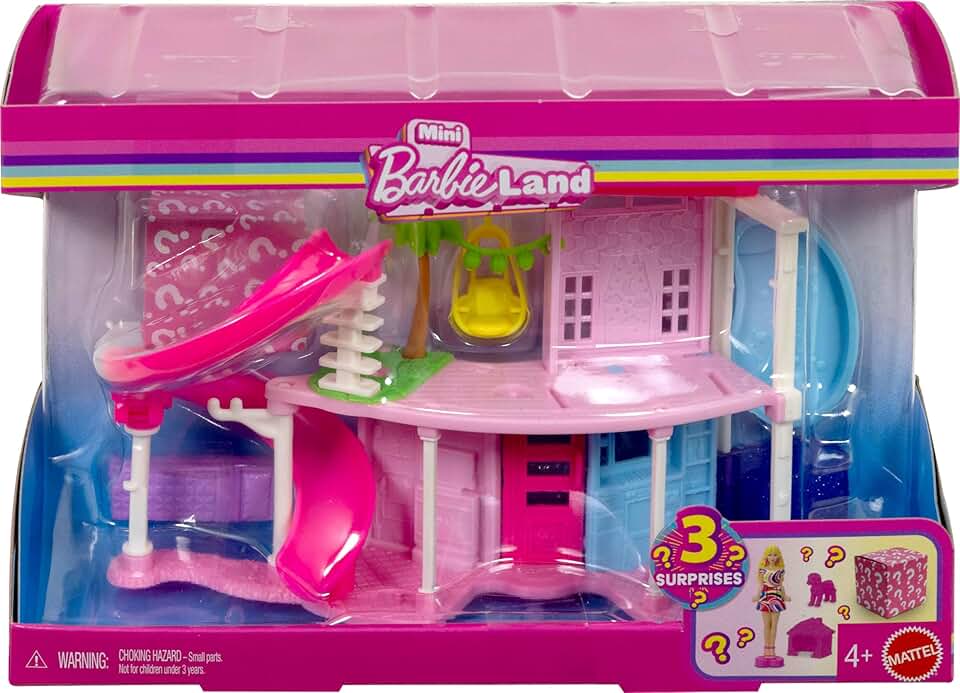
For those who prefer a traditional house structure but with a smaller footprint, several compact dollhouses are available. These often feature two or three levels with fully furnished rooms, fitting easily onto a shelf or into a closet. They provide the classic dollhouse experience without dominating the room, making them a practical choice for families with limited square footage.
| Feature | Compact House | Dress-Up/Set |
|---|---|---|
| Size | Small (1-3 levels) | Very small (portable) |
| Storage | Shelf or closet friendly | Fits in a bag or small box |
| Play Style | Full home role-play | Focused activity (e.g., baking) |
Frequently Asked Questions About Barbie Houses
Parents often have specific concerns before buying large playsets. Here are answers to the most common questions about age suitability, assembly, and safety.
What age is appropriate for a Barbie doll house?
Most Barbie houses, including the popular Dreamhouse, are designed for children ages 3 and up. At this age, kids have the motor skills to navigate stairs and elevators while engaging in imaginative storytelling. However, smaller houses or those with intricate accessories may be better suited for older children who can handle more detailed play scenarios without frustration.
Do Barbie doll houses require difficult assembly?
Assembly requirements vary significantly by model. Smaller playsets often snap together with minimal tools, while larger structures like the 3-story Dreamhouse may require adult assistance and basic tools like a screwdriver. Always check the product description for "assembly required" notes and estimated time to ensure you are prepared for the setup process.
Are there choking hazards with Barbie houses?
Yes, smaller accessories such as furniture pieces, hairbrushes, or tiny pets can pose choking risks for children under 3. If you are buying for a toddler, look for sets labeled "safe for ages 3+" and supervise play to ensure small parts are not put in mouths. Larger houses with fewer tiny accessories are generally safer for younger children.
No comments yet. Be the first to share your thoughts!