


What the budget buys
When shopping for a Barbie Jeep, price usually signals two things: the complexity of the electronics and the durability of the materials. The gap between a $30 playset and a $400 ride-on is significant, but it’s not just about size. It’s about what happens after the initial excitement wears off.
At the lower end of the market, you are buying into the world of doll-scale accessories. These sets, often priced between $20 and $50, are designed for static play or short bursts of imaginative driving. They typically feature simple plastic chassis and basic steering mechanisms. While they are affordable, they rarely include functional motors or realistic suspension. Think of these as the entry point for younger children who are still learning how to handle delicate toys.
Moving up to the $100–$200 range introduces small-scale ride-ons. These vehicles often mimic the look of full-size Jeeps with more detailed interiors and sometimes even working headlights. However, the trade-off is usually in battery life and build quality. The plastic may feel thinner, and the motors might struggle on anything other than smooth indoor surfaces. This tier is ideal for toddlers who want the experience of "driving" without the commitment of a larger, more expensive model.
The real value jumps when you cross the $300 threshold into full-size ride-ons. Here, you are paying for robust construction, longer battery life, and often parental remote controls. These models are built to withstand rougher play and outdoor terrain. If you are looking for a toy that will last through multiple children or years of use, this is where the investment pays off. For a quick comparison of features across these price points, see our comparison table below.
Models worth checking first
Barbie Jeep models have evolved from simple plastic playsets into distinct categories of electric ride-ons and collectible miniatures. Choosing the right one depends on whether you want a child-sized vehicle for backyard cruising or a detailed scale model for display. The market splits roughly into two camps: the large-scale Power Wheels style ride-ons and the smaller, doll-sized accessories that pair with standard Barbie dolls.
For families looking for a ride-on vehicle, the focus is on durability, battery life, and safety features. These models often mimic the rugged aesthetic of the Wrangler but feature Barbie’s signature pink styling and interior details. They are designed for active play, meaning they need sturdy construction and reliable motors to handle grass and gravel.
On the other hand, the doll-scale Jeep models serve a different purpose. These are accessories that allow Barbie dolls to sit inside or ride on the vehicle. They are typically made of plastic with movable parts like opening doors or removable tops. These models are best for imaginative indoor play or for collectors who want to add variety to their doll’s wardrobe of vehicles.
To help you decide which type fits your needs, here is a comparison of the key features across the most popular Barbie Jeep options currently available.
| Model Type | Scale | Power Source | Best For |
|---|---|---|---|
| Ride-On Jeep | Child-sized | 12V Battery | Outdoor play and cruising |
| Doll Jeep Accessory | 1:6 (Doll scale) | None (Manual) | Indoor imaginative play |
| RC Barbie Jeep | 1:10 | Rechargeable Battery | Remote-controlled fun |
| Dream Land Camper | Doll-sized | None (Manual) | Adventure role-play |
When evaluating these options, consider the age of the child and the available play space. Ride-on models require outdoor space and supervision, while doll accessories are perfect for travel or quiet play. The Barbie Dream Land Camper, for example, offers a unique twist by combining a Jeep with a camper unit, allowing for extended storytelling scenarios.


As an Amazon Associate, we may earn from qualifying purchases.
Community feedback often highlights the importance of battery life for ride-on models. Parents frequently mention that the ability to use a remote control for younger children is a crucial safety feature. For doll accessories, the durability of the plastic and the ease of attaching the Jeep to the doll’s hands are common points of discussion.
Check before you buy
Power Wheels Barbie Jeeps are built for play, not precision engineering. A few minutes of inspection can stop a costly repair later. Focus on the parts that break most often: the battery compartment, the steering gear, and the plastic axles.


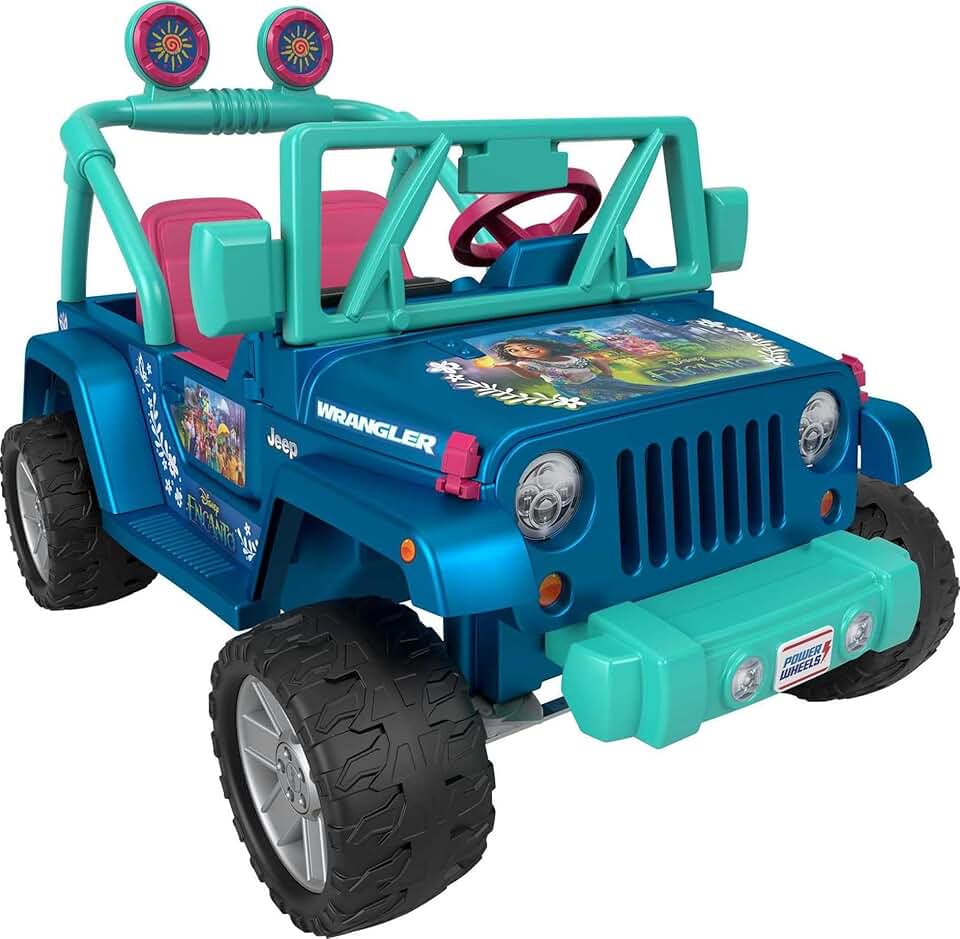
As an Amazon Associate, we may earn from qualifying purchases.
These checks take less than ten minutes but save you from the frustration of a broken toy on day one. If you buy used, be especially strict on the steering gear; it is the most expensive part to replace.
Costs that change the math
The sticker price of a Barbie Jeep is only the first expense. When you look at the total cost of ownership, the gap between a budget model and a premium one widens quickly. A $200 ride-on might seem like a bargain, but if it lacks a replaceable battery or requires proprietary chargers, that savings evaporates within a year.
Battery replacement is the biggest hidden cost for electric ride-ons. Standard 12V lead-acid batteries, common in entry-level models, typically last 12 to 18 months with regular use. Replacements cost between $30 and $50, plus the labor if you can’t swap them yourself. Higher-end models often use sealed AGM or lithium batteries that last longer and hold charge better, but they are significantly more expensive to replace if damaged.
Maintenance surprises also creep in. Plastic bumpers crack on rocky terrain, and wheels wear down on rough surfaces. Check if the manufacturer sells spare parts. If you have to buy a whole new fender because one bolt stripped, the "cheap" jeep just got expensive. Always factor in a small annual budget for repairs to keep the toy road-ready.
Common questions about Barbie Jeep models
Choosing the right Barbie Jeep often comes down to matching the vehicle’s capabilities with your child’s driving habits and your home’s layout. Whether you are looking at a remote-controlled Power Wheels Jeep Wrangler or a smaller electric ride-on, these practical details help narrow the field.
Which Barbie Jeep is best for rough terrain?
If your child plans to drive on grass, gravel, or uneven driveways, prioritize models with larger, pneumatic tires and higher ground clearance. The Power Wheels Barbie Jeep Wrangler is built for this kind of off-road play, featuring rugged treads that grip loose surfaces better than smooth plastic wheels. For smoother indoor or paved outdoor use, standard ride-ons with smaller rubber tires are sufficient and often more maneuverable in tight spaces.
How does remote control safety work on electric Jeeps?
Many electric Barbie Jeeps, such as the Barbie Dream Camper or specific Wrangler editions, come with a parent-controlled remote. This feature acts as a safety override, allowing you to take control if the child loses balance or heads toward a hazard. Look for models with multiple speed settings so you can start with a slow, cautious pace and let them accelerate as they gain confidence. Some advanced models also include working lights and FM/MP3 players, adding to the realism without compromising safety.
What is the typical battery life for these ride-ons?
Most 6V or 12V Barbie electric Jeeps offer 30 to 60 minutes of continuous playtime on a full charge. This is usually enough for a solid afternoon of play but requires planning for recharging. To extend battery life, avoid letting the vehicle run until the motor completely stalls. If you have multiple children who want to play, consider models with dual battery compartments or quick-swap battery systems to minimize downtime between sessions.
Can Barbie Jeeps fit inside a standard car trunk?
Size varies significantly by model. Smaller ride-ons like the Barbie Dream Camper or compact convertibles often disassemble or fold down to fit in a sedan trunk. However, larger models like the Jeep Wrangler are bulkier and may require an SUV or minivan. Check the assembled dimensions before purchasing if you plan to transport the vehicle frequently. For storage at home, ensure you have a dry, indoor space to protect the plastic body and electronics from moisture and extreme temperatures.
No comments yet. Be the first to share your thoughts!